
















.jpeg)


.jpeg)

 - Copy.jpg)








The Plot of Land That Nobody Was Supposed to Know About
Everyone in the room seemed certain. Prices were climbing, demand was insatiable, the returns were unlike anything you'd find in a savings account. So why did it still feel like the ground was shifting beneath your feet?
He had been sending money home for eleven years. Every month, without fail, a transfer, enough to cover school fees, a little extra for the family, something held back for later. After a while, he told himself, would be when he finally understood what to do with it.
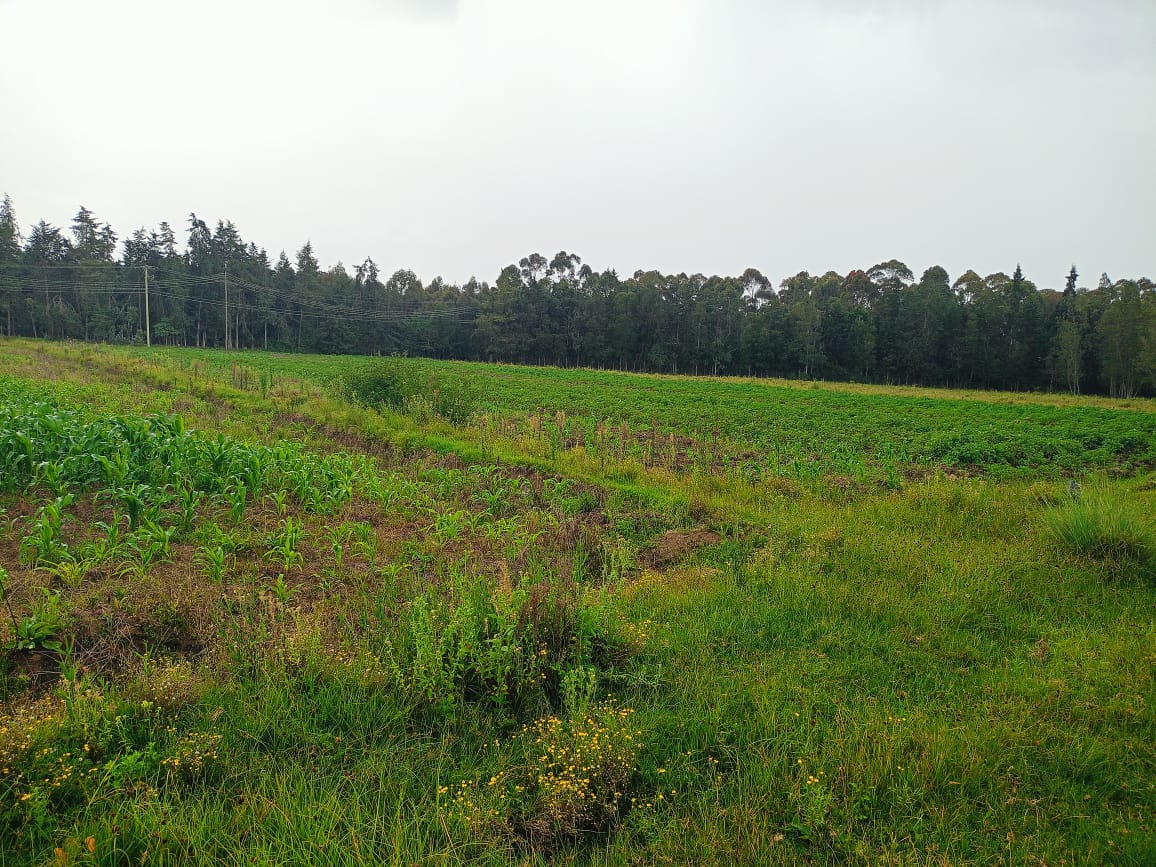
Later arrived in the form of a phone call from a cousin in Ruiru. There was a plot. Half an acre, just off a newly tarmacked road, priced below what it would be worth in three years. All he needed to do was move fast.
He moved fast. He wired the money. He did not move fast enough on the paperwork.
What happened next is a story that more investors are encountering and more are learning to avoid. Because Kenya's property market is not simply rising. It is rising unevenly, rewarding those who understand its logic and quietly punishing those who think momentum is the same thing as direction.
"The market doesn't care how long you've been waiting to invest. It only cares whether you know where to look."
The numbers that change the conversation.
Kenya faces a housing shortfall of more than 2 million units. Urban populations are growing at roughly 4.4% each year. The property market, valued at a trajectory toward $773 billion, has delivered average returns of 25% figures that dwarf what bonds or savings accounts have managed in the same period.
- 25%Average property returns
- 2M+Housing unit shortfall
- ~5%Annual market growth to 2029
- 4.4%Urban population growth
But numbers like these have a way of flattening important distinctions. A 25% average hides the neighborhoods where yields have dipped below 4% because supply outpaced demand. It conceals the satellite towns where landlords are quietly collecting between 7% and 10% on rental income without the noise or the inflated entry prices of Nairobi's wealthiest postcodes.
Infrastructure is the hidden variable. The Nairobi Expressway, Mombasa port expansion, road upgrades threading through towns once considered peripheral, each project rewrites the value of land within its orbit. The investor who reads an infrastructure map before a property listing is playing a different game from one who doesn't.
Where the real movement is happening
Nairobi remains the most liquid market, easy to enter, easy to exit. But for those chasing yield rather than liquidity, the satellite towns tell a more compelling story.
Ngong's land is appreciating at over 14% year-on-year. Kisumu is close behind at 12%. Diani's holiday rental market is returning between 8% and 12% annually. Nakuru and Eldoret are drawing commercial interest as businesses spread beyond the capital.
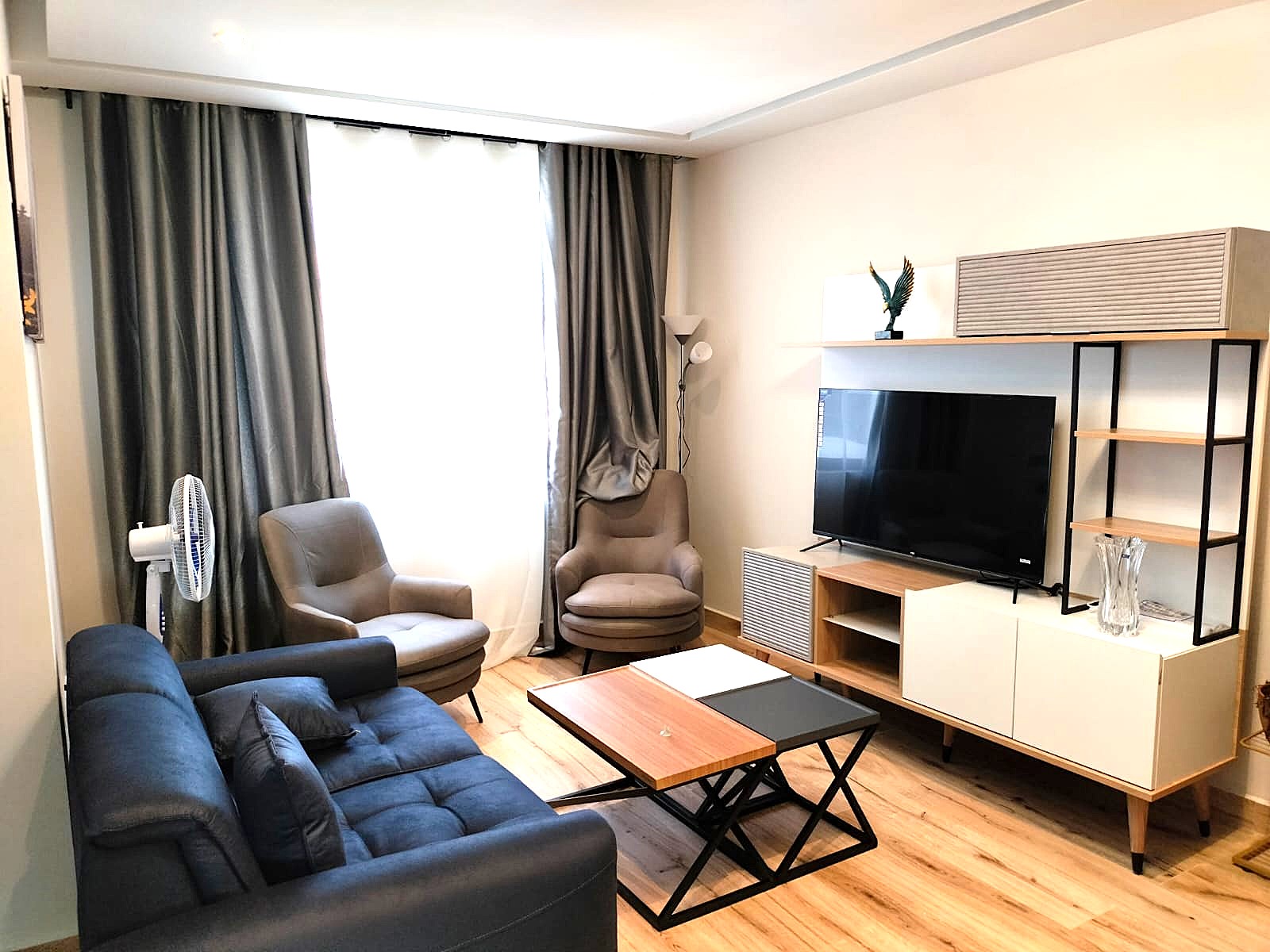
The one counterintuitive pocket within Nairobi itself: furnished short-term rentals in Westlands and Kilimani. A well-fitted one-bedroom there can earn 20% to 40% more than a conventional long-term lease, driven by corporate tenants, expatriates, and visitors who need flexibility more than they need a permanent address.
What kind of investor are you?
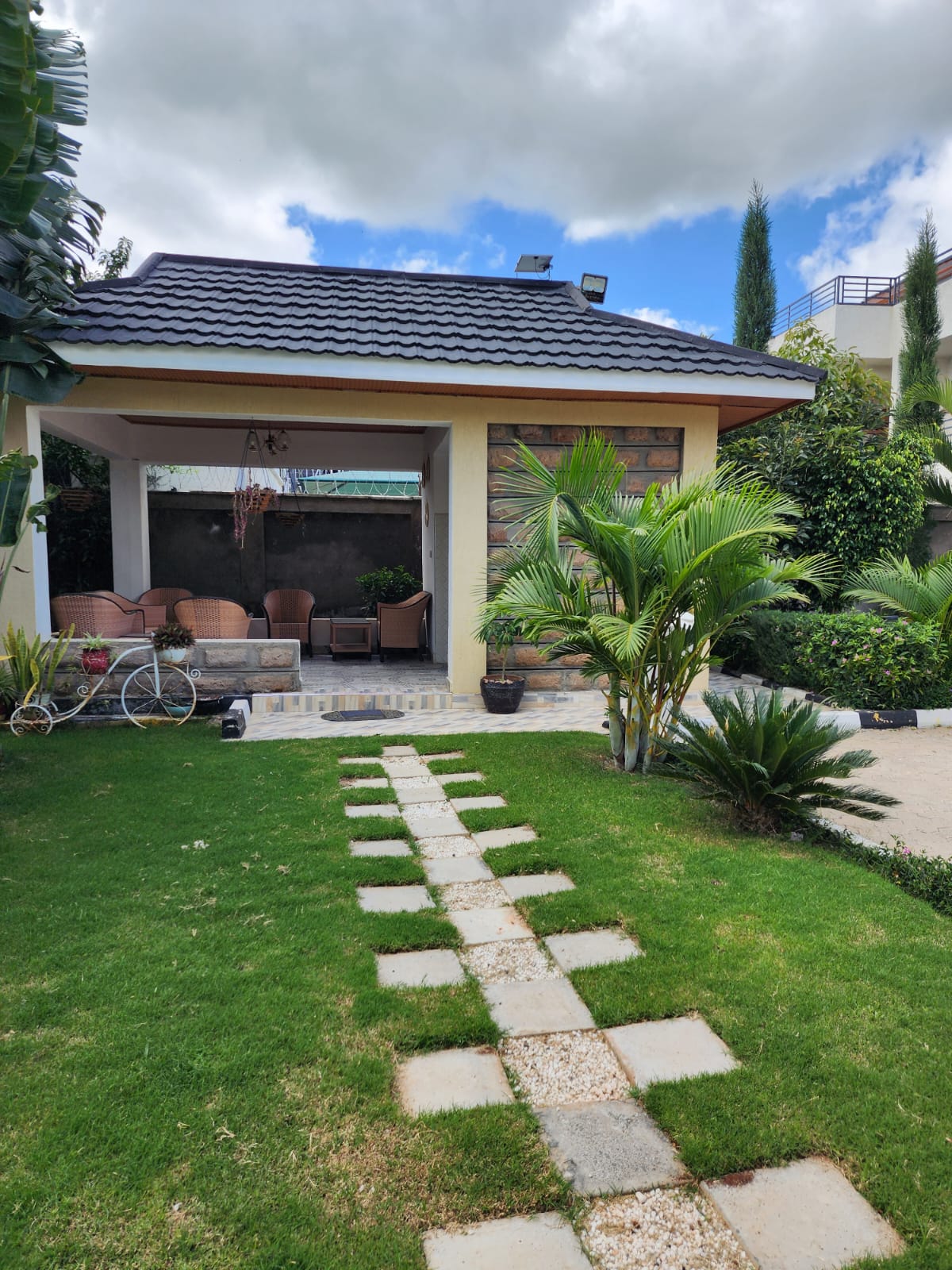
Residential property is where most people begin. Buy, let, collect income, wait for appreciation. It works, especially in buildings with reliable security, backup power, and modern finishes, which consistently command higher rents and lower vacancy rates.
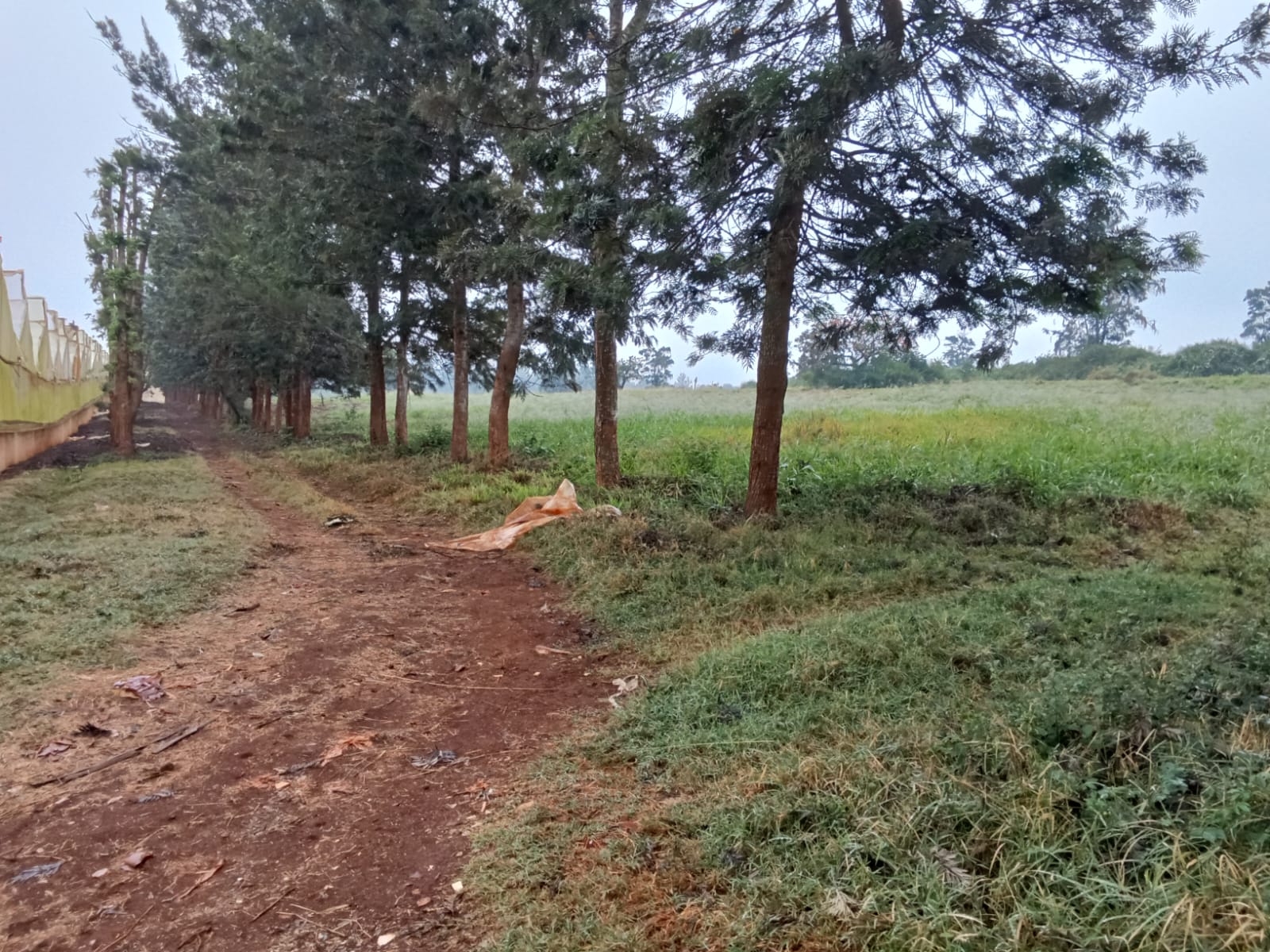
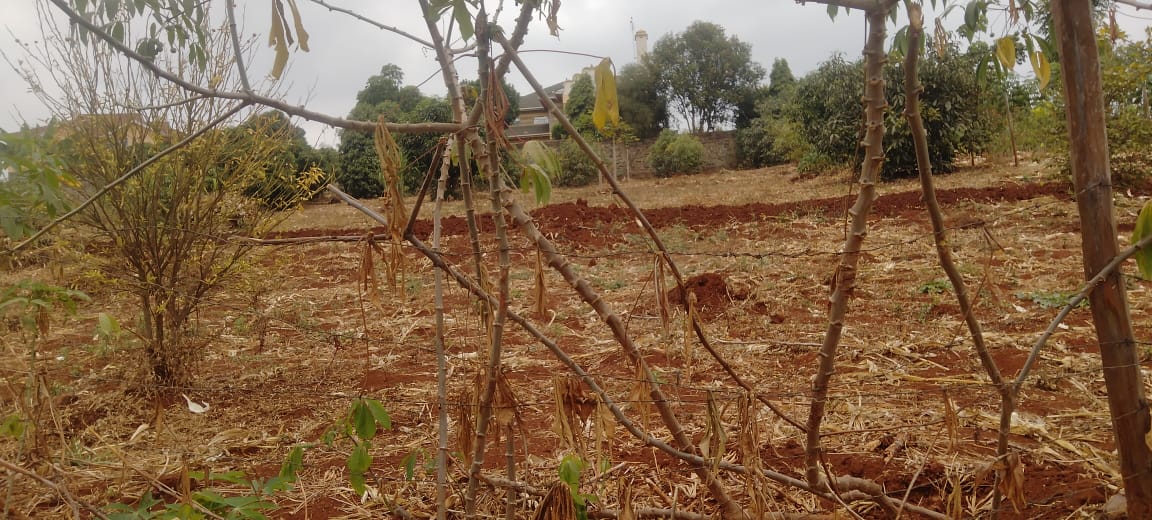
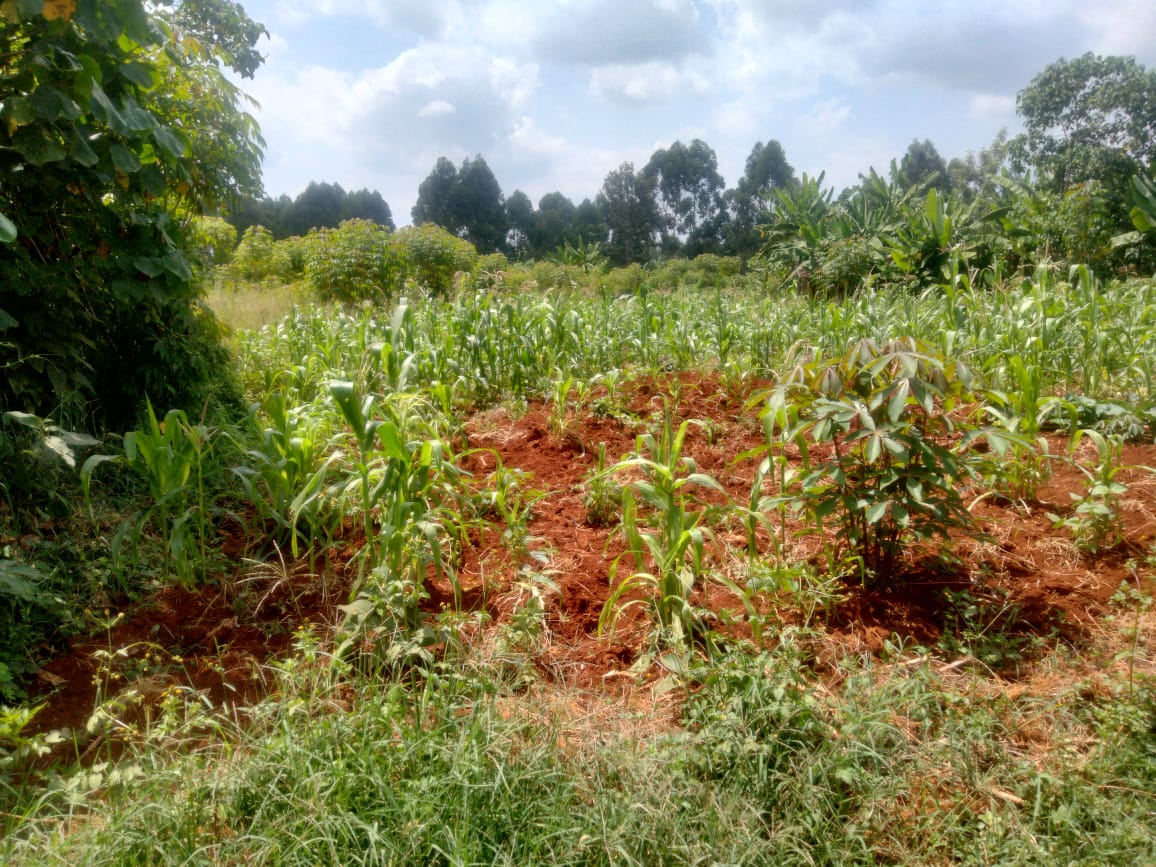
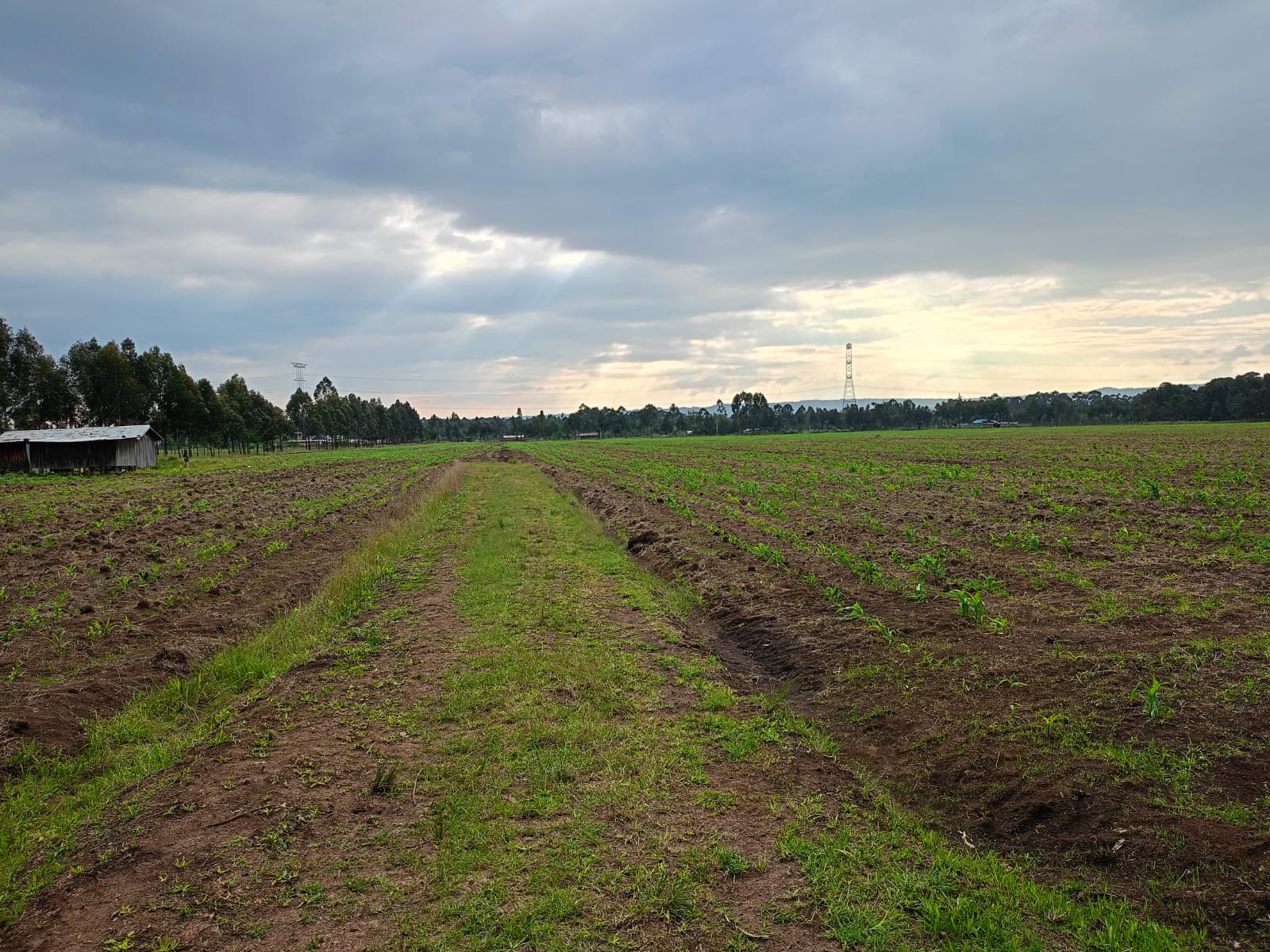
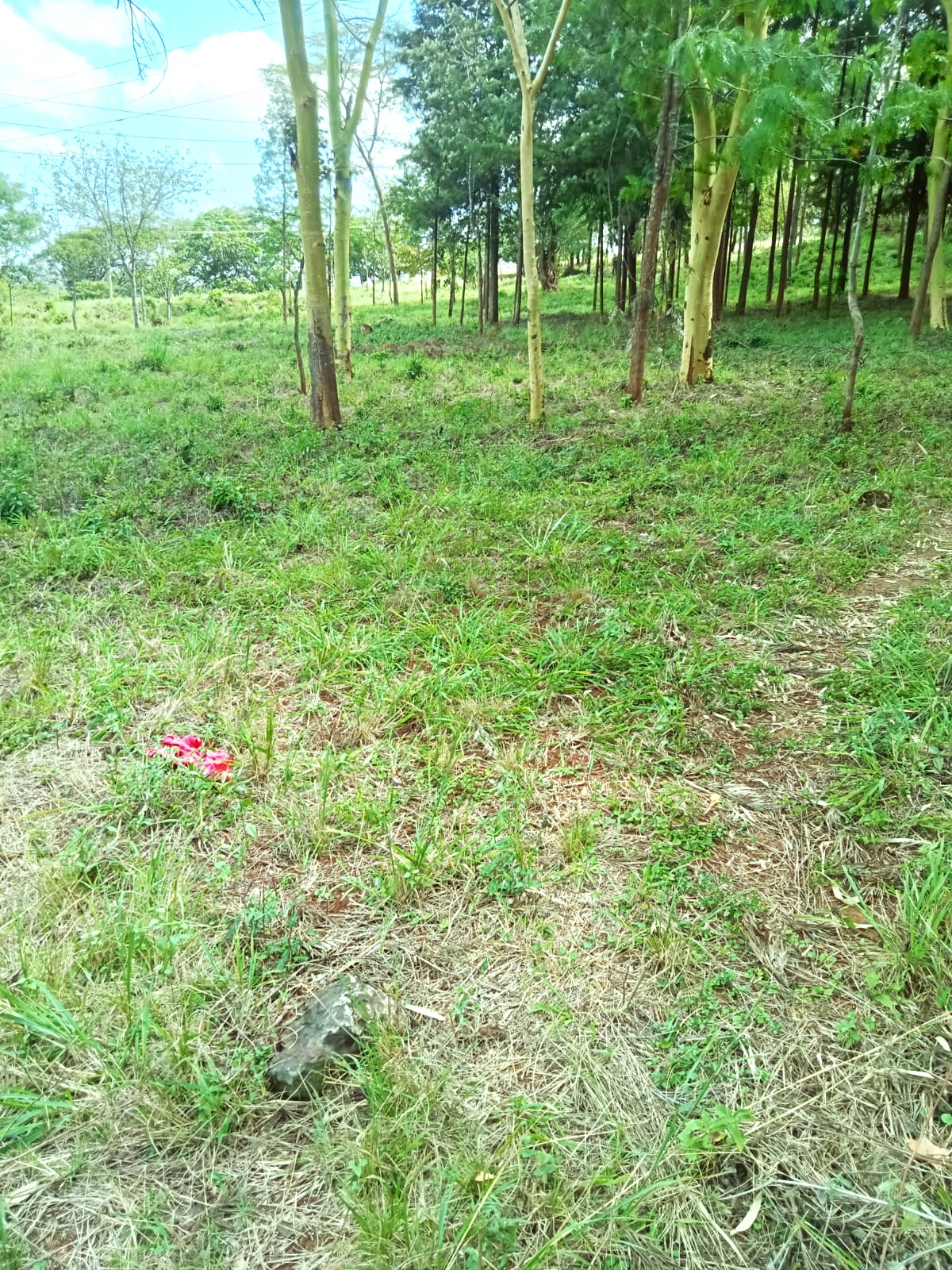
Land has become the asset of the moment in 2025. No tenants, no maintenance, no call-outs at midnight. In the right corridor, land appreciates at double-digit annual rates. The trade-off is patience: land earns nothing monthly, but over a long enough horizon, the gains can be substantial.
Commercial property, offices, shops, offers solid, diversified returns, particularly in fast-growing towns. Joint ventures give smaller investors access to larger projects; subdivisions, multi-unit builds. The conditions are straightforward but non-negotiable. Everyone's role, share of profit, and exposure to risk must be written down before a single shilling changes hand.
"Land works best if you're patient. It doesn't pay out every month but over time, the gains can be enormous."
The step most people skip
The man in Ruiru eventually got his title deed. It took fourteen months, two lawyers, and a sum he would rather not name. The plot was real. The seller was legitimate. The problem was that the steps between intention and ownership had been handled loosely, and loose paperwork in Kenyan property law has a way of becoming expensive paperwork.
Due diligence here is not optional and not bureaucratic theatre. It means verifying ownership through the land registry or the ArdhiSasa platform before committing. It means a licensed lawyer reviewing every agreement. It means confirming county approvals are in place — especially for new developments. Off-plan purchases require additional scrutiny: the developer's track record, the escrow arrangement for payments, the contractual provisions if deadlines slip.
For Kenyans in the diaspora, the distance compounds these risks but the tools to manage them have also improved. ArdhiSasa allows online title verification. Virtual property tours are now standard. Trusted local property managers can handle due diligence and day-to-day operations from the ground.
The cousin still calls sometimes. The plot in Ruiru is doing well, as it turns out. The road got better. A logistics depot went up nearby. Land values in that corridor moved exactly as predicted.
The lesson wasn't that the opportunity was wrong. The lesson was that the process mattered as much as the prize and that the next investment would be handled differently from the start.
What first-time buyers need to know about sectional properties in Kenya
In Kenya’s urban property market, more and more properties are being developed for sale as
sectional properties. However, to a first-time buyer the term sectional properties can be a little
confusing.
What exactly does it mean?
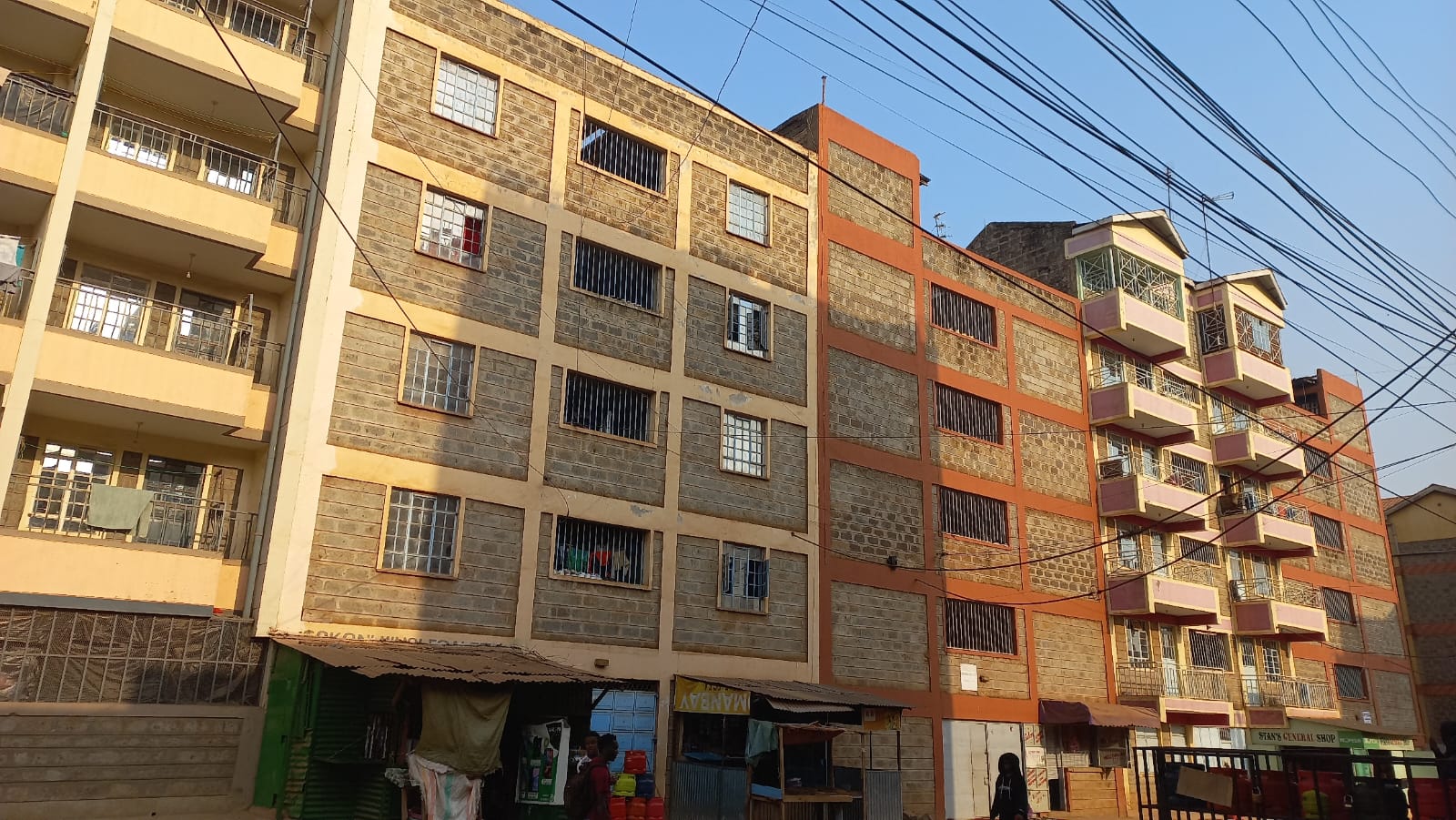
A sectional property is simply an individual unit (like an apartment or studio) that forms part of a
larger development with shared common areas (roads, stairs, halls, lobbies etc.).
One unique aspect of such properties is that ownership is divided into two parts:
Your private unit – you own the space within your walls, floor and ceiling with a separate title deed or lease.
Common property – you share ownership of common areas with other unit areasthrough a management corporation.
In Kenya,sectional properties are governed under the Sectional Properties Act 2020 a shift from the old Sectional Properties Act 1987.This shift was made to clarify, strengthen and align ownership with today’s urban housing market.
In recent years, sectional properties have become especially attractive to first-time buyers. Their appeal lies not only in affordability, but also in the fact that most of these developments are located in prime urban locations, come with shared amenities and now offer secure ownership through
individual title deeds.
That said, with all these benefits, it becomes even more important for buyers to carry out proper due diligence before committing to a purchase.
What prospective buyersshould watch out for;
When considering a sectional property don’t just look at the glossy brochures orsample units.
Make sure to check the following key areas before committing:
1. Title deed & registration – Confirm that the development is properly registered under the Sectional Properties Act 2020, with the existence of a registered sectional plan an ability of individual units to have their own title deeds.
2. Management Company/Association – Check if a credible management company/association is in place and review how service charges are determined as sectional properties rely on such
bodies to handle common areas.
3. Service Charges – Inquire on service charges and their coverage in order to avoid surprises later.
4. Community rules – Sectional properties majorly have rules on pets, noise, renovations or even subletting. Go through these to make sure they align with your lifestyle.
5. Approval & Compliance – Ensure that the development has approvals from authorities and any relevant regulators. Lack of compliance could put your ownership at risk.
For first-time buyers, sectional properties open up real opportunities for home ownership or to make an investment in Kenya’s urban property market.
But as with any big financial decision the key is due diligence. Always confirm proper registration and compliance with the sectional properties act 2020, that the managementstructure is sound and that you are comfortable with the costs and community rules