








































What first-time buyers need to know about sectional properties in Kenya
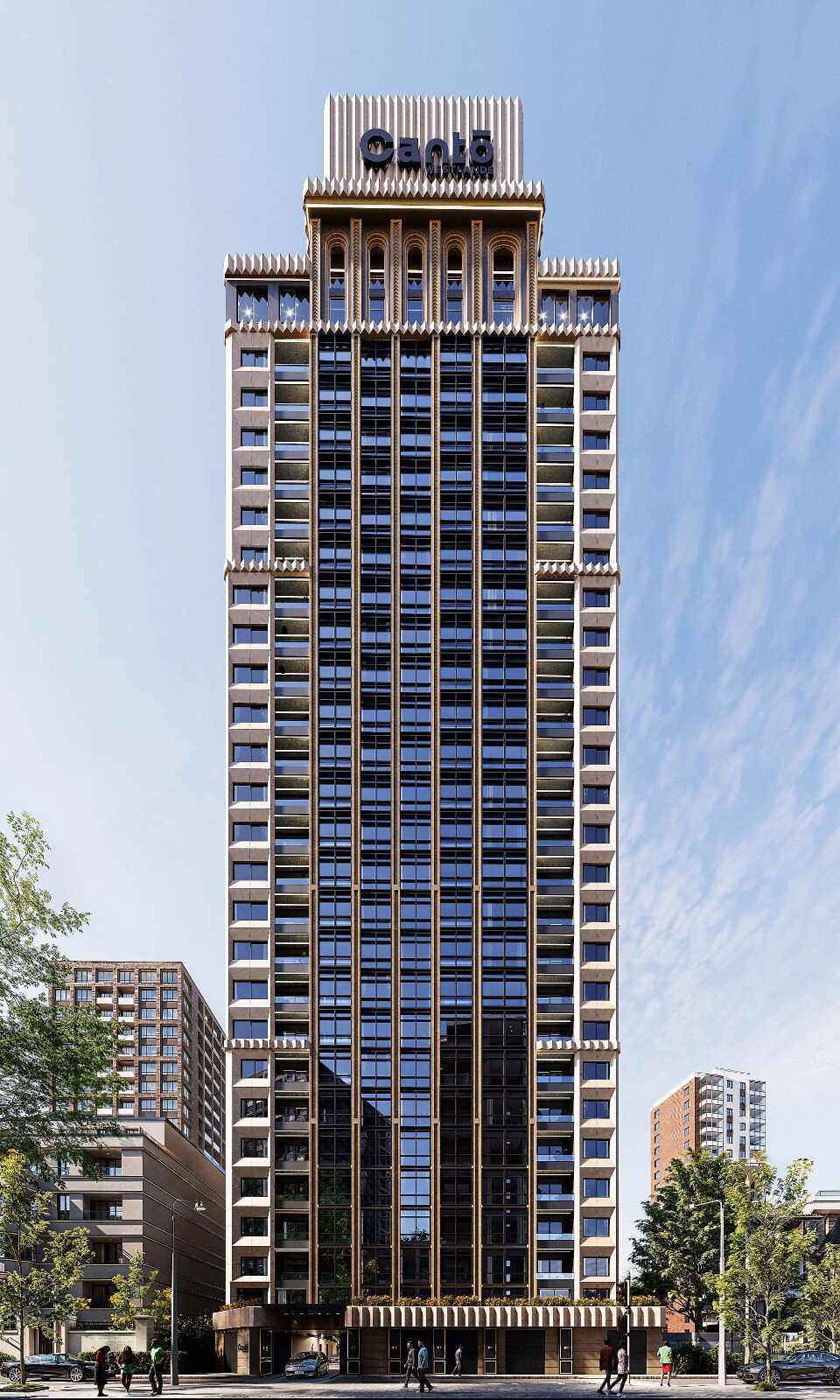
In Kenya’s urban property market, more and more properties are being developed for sale as sectional properties. However, to a first-time buyer the term sectional properties can be a little confusing.
What exactly does it mean?
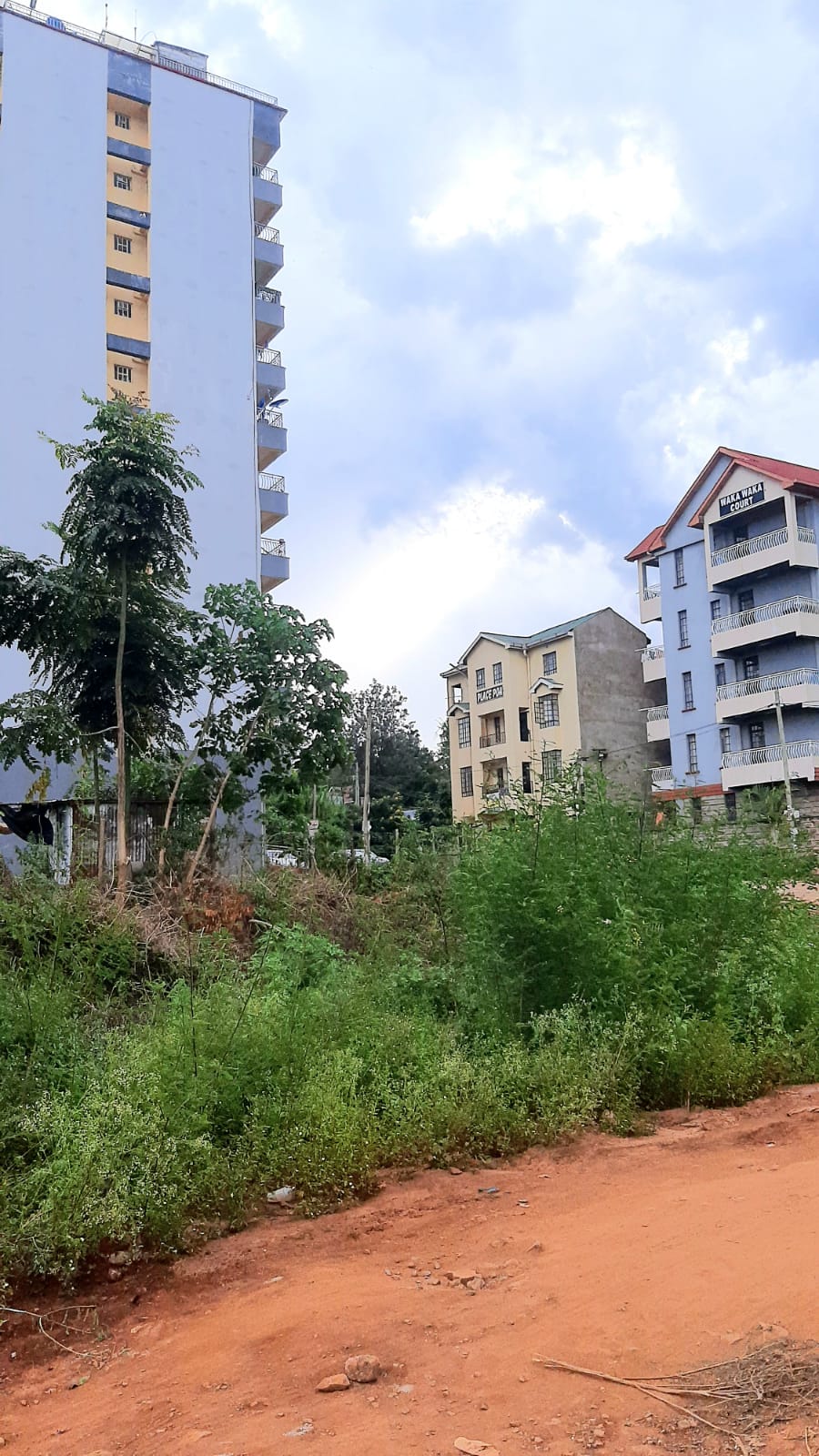
A sectional property is simply an individual unit (like an apartment or studio) that forms part of a larger development with shared common areas (roads, stairs, halls, lobbies etc.).
One unique aspect of such properties is that ownership is divided into two parts:
Your private unit – you own the space within your walls, floor and ceiling with a separate title deed or lease.
Common property – you share ownership of common areas with other unit owners through a management corporation.
In Kenya, sectional properties are governed under the Sectional Properties Act 2020, a shift from the old Sectional Properties Act 1987. This change was introduced to clarify, strengthen, and align ownership with today’s urban housing market.
In recent years, sectional properties have become especially attractive to first-time buyers. Their appeal lies not only in affordability, but also in the fact that most of these developments are located in prime urban locations, come with shared amenities, and now offer secure ownership through individual title deeds.
Urban commercial and institutional growth has also played a major role in driving demand for these properties. For example, along Thika Road, major commercial hubs such as Thika Road Mall (TRM) and Jewel Complex have significantly boosted the attractiveness of surrounding residential developments. Thika Road Mall (TRM) is a major commercial landmark along Thika Road, offering a wide range of retail stores, supermarkets, restaurants, banking services, and entertainment facilities.
Its strategic location opposite Safari Park Hotel makes it a high-footfall destination for both local residents and commuters along the Thika Superhighway corridor, reinforcing its role as a key retail and service hub in the area. Jewel Complex, a commercial building, property investment and development entity associated with large-scale property transactions involving Kasarani property assets. It is located within the broader Roysambu and Kasarani commercial zone, contributes to the growing network of mixed-use developments along Thika Road, hosting a combination of retail outlets, offices, and service businesses that support SMEs and improve access to commercial services for surrounding residential communities.
In addition to commercial growth, the presence of higher education institutions within the broader Kasarani area has further increased housing demand. Institutions such as USIU–Africa (United States International University Africa) and the Pan African Christian University attract a large student population from across Kenya and beyond. This steady inflow of students and academic staff has significantly boosted demand for rental accommodation, making sectional properties in nearby areas highly attractive for both investors and landlords.
These combined commercial and educational nodes continue to increase rental demand and investor interest in nearby sectional developments.
That said, with all these benefits, it becomes even more important for buyers to carry out proper due diligence before committing to a purchase.
What prospective buyers should watch out for
When considering a sectional property, don’t just look at the glossy brochures or sample units.
Make sure to check the following key areas before committing:
- Title deed & registration
Confirm that the development is properly registered under the Sectional Properties Act 2020, with a registered sectional plan and the ability for individual units to have their own title deeds.
- Management Company or Association
Check if a credible management company or association is in place and review how service charges are determined, as sectional properties rely on such bodies to manage common areas.
- Service Charges
Inquire about service charges and what they cover to avoid surprises later.
- Community rules and regulations
Sectional properties often have rules on pets, noise, renovations, or subletting. Review these carefully to ensure they align with your lifestyle.
- Approval and Compliance
Ensure the development has approvals from relevant authorities and regulators. Lack of compliance could put your ownership at risk.
For first-time buyers, sectional properties open up real opportunities for home ownership and investment in Kenya’s urban property market. However, as with any major financial decision, the key is due diligence. Always confirm proper registration and compliance with the Sectional Properties Act 2020, ensure the management structure is sound, and confirm that you are comfortable with the costs and community rules.
Emerging Trends in Kenyan Real Estate in 2026
Kenya’s property market is changing. Increased taxation, a growing middle class, and a diaspora eager to invest in their homeland are reshaping where the opportunities lie and what it takes to capture them.
Mid-market housing is really the story
With the high-end real estate market hitting its absorption limit, the most consistent demand in Kenyan property is currently for mid-market housing. Taxation hikes and rising living expenses are driving the price-sensitive middle class towards more affordable units, and developers are cutting operational costs through reduced service charges, smart layouts, and sustainable practices to attract both buyers and investors. This segment offers more stable occupancy and more dependable rental yields than the luxury end.
Location is moving, not vanishing
The classic advice of location still holds true, but the definition of a good location has changed. Satellite towns and suburbs such as Ngong, Athi River, Ruiru, Thika and Kitengela are meeting the demand that Nairobi’s inner core cannot cater to affordably. Investment in infrastructure, including roads, water, and internet services, is narrowing the gap between these areas and the city centre. The greatest rewards are for investors who act before the infrastructure is in place.
Mixed-use developments are filling the void
The shift toward remote and hybrid work has fuelled a rise in mixed-use developments that combine housing, retail, and office spaces within a single area. For buyers who no longer need to live near a central business district, a development that brings urban amenities to a more affordable area makes perfect sense. Such assets generate multiple revenue streams, a compelling case for investors.
Sustainable design is Now the standard
Features like solar power, rainwater harvesting, and energy-efficient design are no longer just a luxury feature or a marketing bonus. With an unreliable power grid and water supply in satellite areas, these features make properties more desirable, directly influencing occupancy and tenant retention. Buyers are scrutinising monthly utility costs, and properties with lower running expenses are fetching a premium. Investors should consider this when investing in upcoming neighbourhoods.
Flexible payment structures are expanding the market
Payment plans with instalments, rent-to-own options, and developer financing are making property ownership accessible to a wider range of people beyond those eligible for traditional mortgages. This is especially important in the mid-market, where buyers have steady incomes
but lack the substantial deposit that banks typically require. Developers offering these flexible options are selling units faster, and off-plan buyers can often negotiate favourable terms.
Cheaper mortgage financing could be a turning point
High interest rates and short loan terms have historically made mortgages in Kenya unattractive. A sustained drop in lending rates driven by Central Bank policy and the growth of affordable housing financing schemes could be a game changer. Investors should watch closely whether this drop is passed on in consumer mortgage rates, as lower financing costs would significantly broaden the buyer base, strengthening both property values and liquidity in the mid-market.
Off-Plan sales are gaining ground
Off-plan properties have become popular, driven by both price advantages and an increased level of developer trust in certain market segments. Buyers securing pre-construction prices in well-situated satellite towns stand to gain significant capital appreciation as infrastructure and demand expand. However, careful due diligence on the developer’s history and project financing is still crucial, as the market has seen off-plan failures before.
The Diaspora’s investment strategy is evolving
Kenyan diaspora investment is shifting from building family homes to strategic asset accumulation. Diaspora buyers are increasingly seeking rental income, portfolio diversification, and protection against currency depreciation. Mid-market rental properties in satellite towns and off-plan units in developing corridors are attracting the most interest. Developers and agents who can clearly articulate on the investment case, focusing on return on investment rather than sentimental value are best positioned to capture this segment.